Volunteer firefighters serving their rural community

From the Field

Department Stories

From the Field

Why Stories Matter

Policy changes when policymakers hear from real people. Every story shared here becomes part of the case ARFC makes to legislators, grant agencies, and the public — that rural Arkansas volunteer fire departments deserve better.

Cross County

Cherry Valley Volunteer Fire Department — Cross County

Fewer Hands, Older Trucks: The Struggle to Keep Answering the Call.

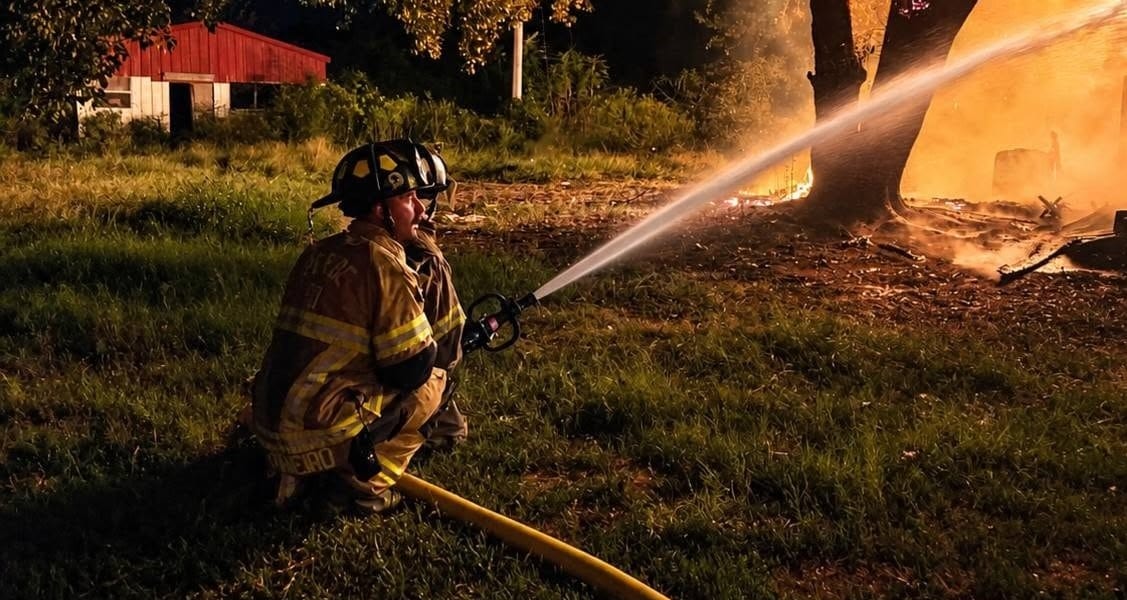
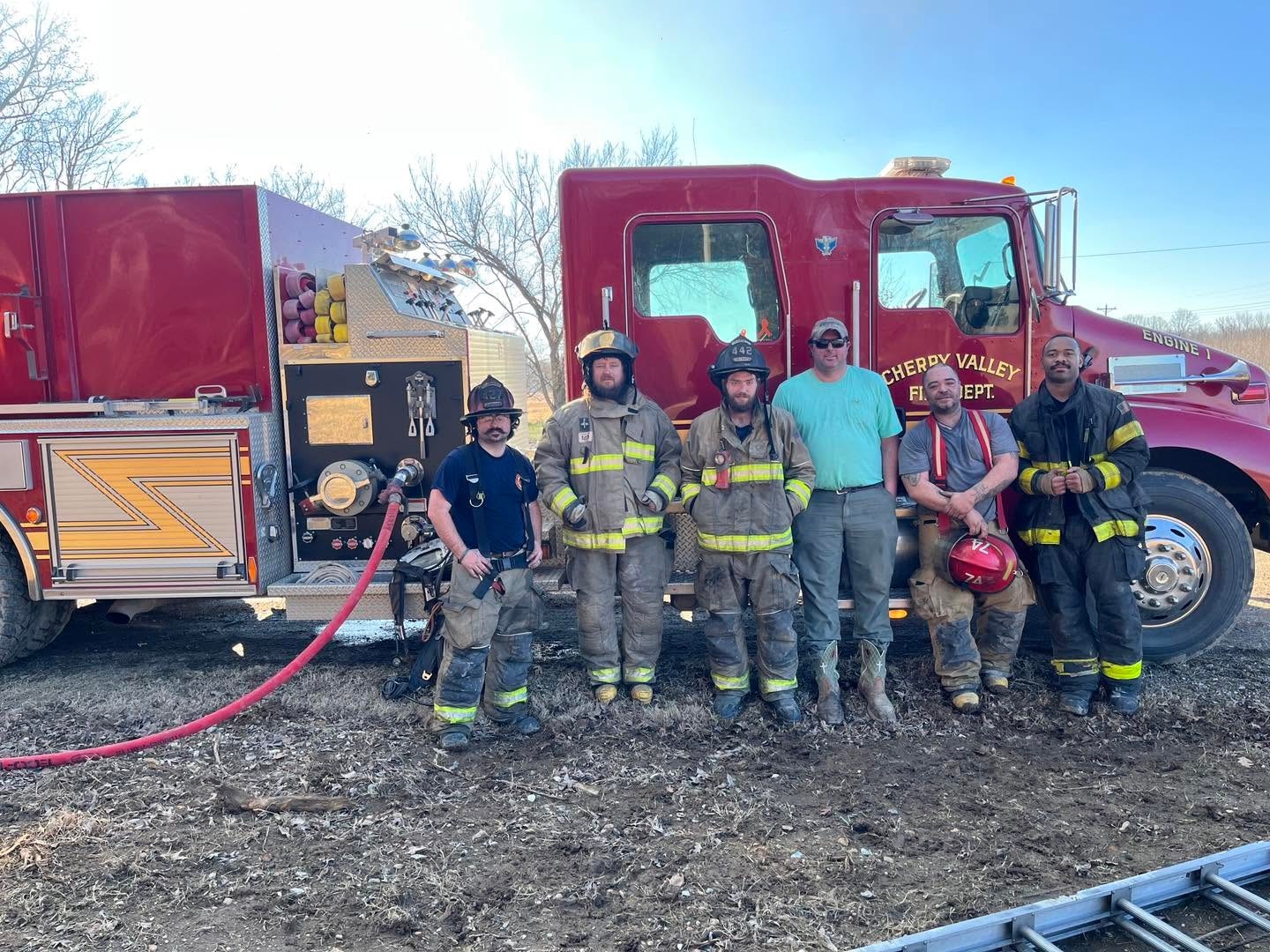
At Cherry Valley Fire Department they face a story that has become all too familiar across Arkansas. Aging apparatus, declining volunteer participation, and budgets already stretched to its limits. Every apparatus is at least 20-30 years old, including a brush truck dating to the 1980s that came from the Arkansas Forestry Commission. Grant support has helped secure new breathing apparatus, and the department is pursuing another grant to replace the brush truck. But equipment is only part of the challenge. Just twelve years ago, the department had more than 20 members, with strong turnout for calls and meetings. Today, its roster stands at 12, with only one to four members participating regularly. While the decline in volunteerism has gained media attention, the issue remains at the forefront of Cherry Valley and rural volunteer fire departments across the state and the nation. Cherry Valley would like to see an effort by legislative leaders assisting communities sustain their volunteer departments and provide the fire protection residents deserve.

"The state needs to try to figure out a way to assist these cities with volunteer fire departments financially somehow, to help uphold the service that the community deserves!"
— Captain Tyler Walls, Cherry Valley Fire Department
Columbia County

McNeil Rural Fire Department — Columbia County

The Cost of Showing Up: When Volunteers Can’t Afford Another Call.

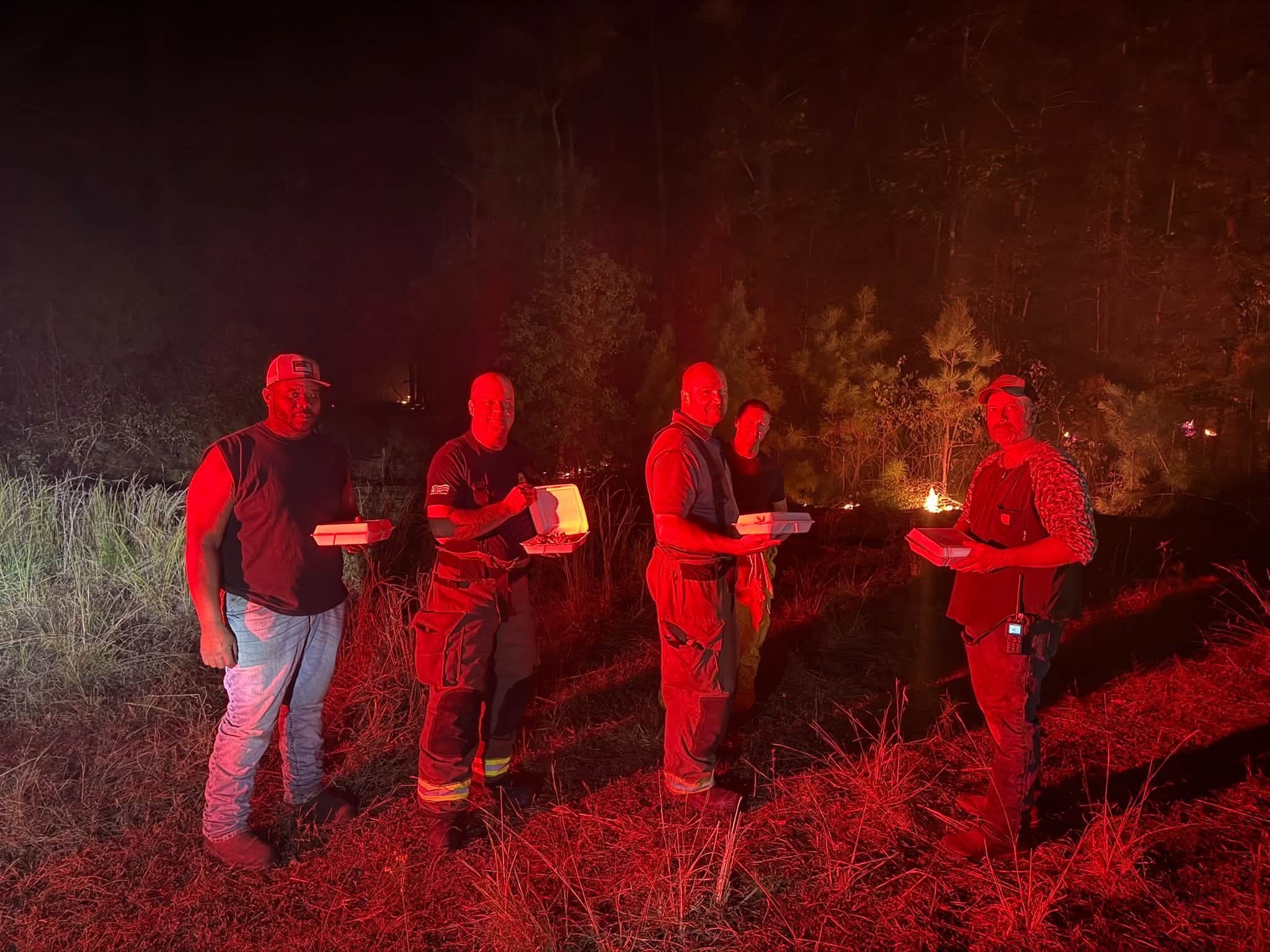
For the McNeil Rural Fire Department, the cost of answering repeated fire calls is mounting at the station and at home. Blown tires, ruptured fire hoses, and vehicle and equipment needing repairs are draining limited funds as ponds and lakes dry up. The community has rallied around its firefighters with meals, drinking water, and encouragement, support that one member says gives them strength to keep going. But the volunteers are exhausted. Time away from their regular jobs means lost household income, leaving electric bills, groceries, and other expenses increasingly difficult to cover. Their request is straightforward: tax relief to help offset lost earnings and reimbursement for departments overwhelmed by calls. Without help, they fear firefighters will have to miss responses to keep their households afloat, while a single tire replacement could become an expense the department cannot afford, leaving a pumper out of service when the community needs it most.

"We're not asking to be paid. We're just asking for help."

— Firefighter, McNeil Fire Department
Stone County

Melrose Volunteer Fire Department — Stone County

Fuel or Equipment: The Cost of Answering the Call.

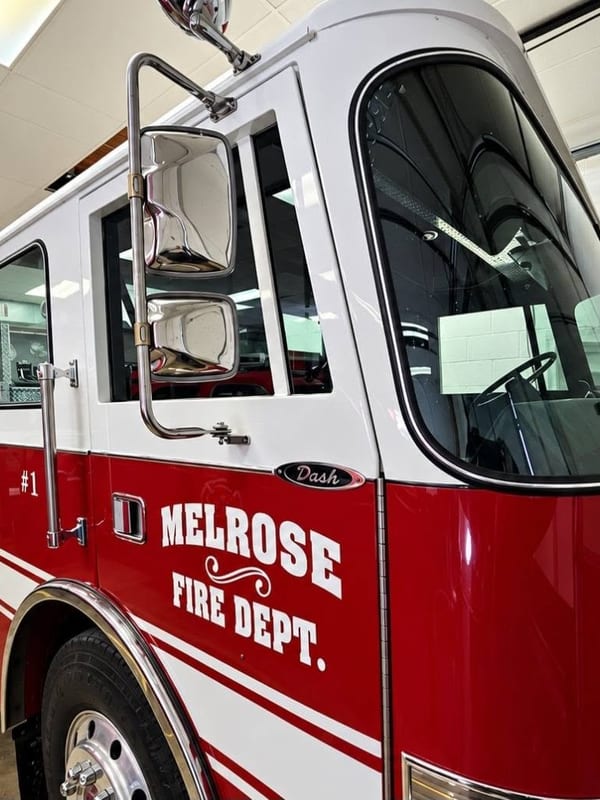
At Melrose Volunteer Fire Department, Fire Chief Cody Stevens faces a difficult choice: keep fuel in the trucks or upgrade essential equipment. With an annual budget of less than $20,000, rising diesel costs are stretching resources already supported by limited funding, optional $25 resident fire dues, and fundraisers. After months of responding to fires across drought-stricken Arkansas, Stevens told THV11 that rural departments feel forgotten. Everything's gone up except for our budgets, he said. At the time of the report, the department had just five sets of turnout gear meeting regulations — a stark illustration of the challenges behind every emergency response.

"I have to decide whether I keep fuel in the truck or whether I get upgraded equipment."

— Chief Cody Stevens, Melrose VFD
Arkansas River Valley

Volunteer Fire Department — Arkansas River Valley

Ready to Serve: Struggling to Fund the Response.

A small volunteer fire department in the Arkansas River Valley region serves a large coverage area in its county on just $30,000–$35,000 a year. Its chief reported 279 medical calls and 96 fire and miscellaneous calls since January 1, with expenses rising while funding fails to keep pace. Four needed sets of turnout gear would cost $14,000 — nearly half its annual budget. The department also needs a reliable brush truck and additional substations, while work on a helicopter landing pad has stalled because the money ran out. I'm blessed to have a great crew of men and women, the chief shared. I feel I have almost everything in place to be great except funding.

"I feel I have almost everything in place to be great, except funding."

— Chief, Arkansas River Valley Region
Craighead County

Valley View Volunteer Fire Department — Craighead County

Aging Out: Older than the Firefighters Who Operate It.

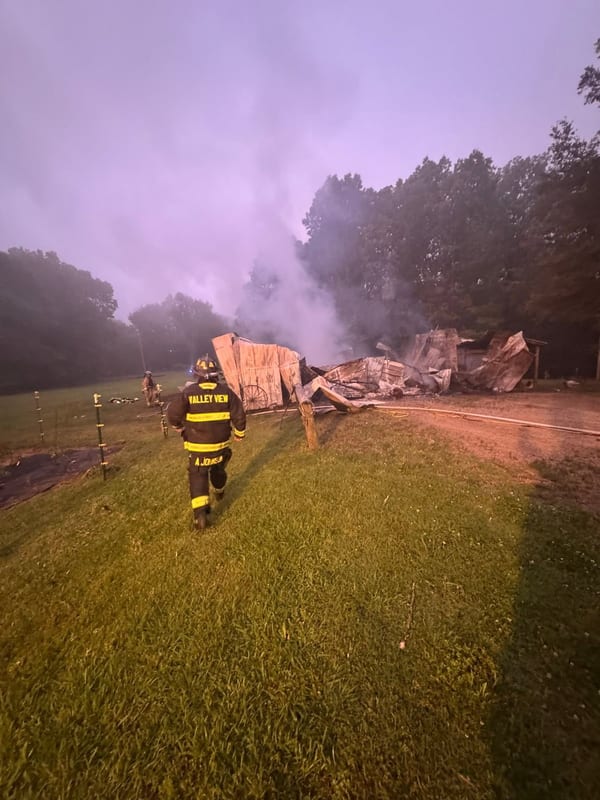
At one small Arkansas volunteer fire department, keeping aging trucks running consumed more than half its approximately $65,000 annual budget in 2024 — over $32,500 in repairs and towing alone. Its 42-year-old pumper-tanker is out of service, another engine can carry only half its water capacity because of a pump-housing leak, and other trucks face tank, pump, and reliability problems. Purchasing the department's first brand-new truck meant postponing turnout gear purchases. Meanwhile, two breathing apparatus units are out of service, and 32-year-old rescue tools leave firefighters dependent on a neighboring department for complicated vehicle extrications. With members averaging just 28 years old, these volunteers are responding with equipment sometimes older than they are, while repair bills consume money needed for protective gear, equipment, and training.

"Some of the equipment they are expected to operate is older than even the oldest firefighter on our department."

— Chief Jeremy Marlow, Valley View VFD
Miller County

Trinity Volunteer Fire Department - Miller County

Years of Savings up in Smoke: A Station Move Put on Hold.

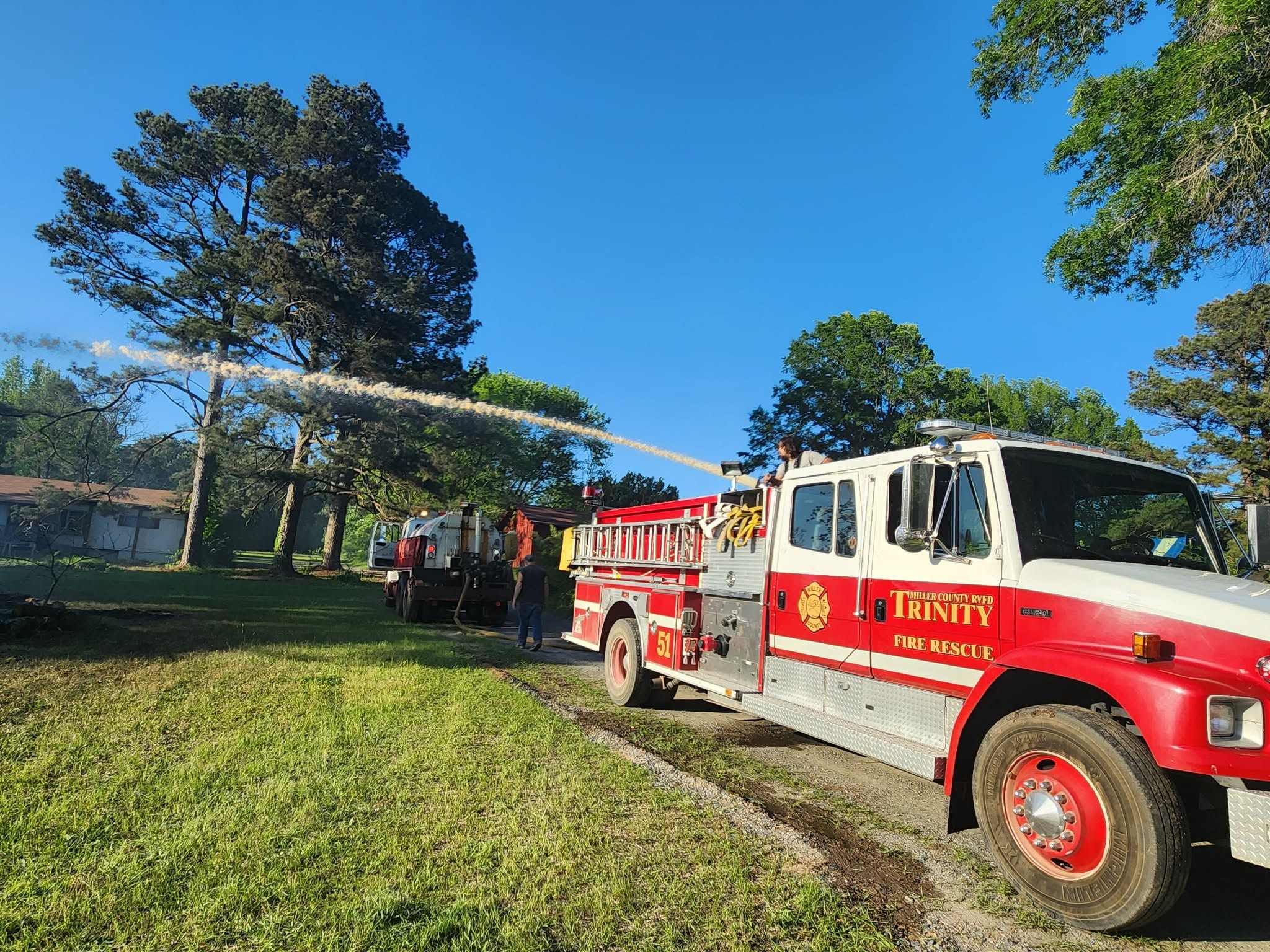
For Trinity VFD in Southwest Arkansas's Miller County, purchasing a used engine meant spending $80,000 saved over several years — effectively resetting progress on a planned station relocation. The department is now working to equip the replacement while keeping its 1996 frontline engine, which has oil and pump leaks, as a reserve. Alongside these equipment challenges, the chief is preparing future leadership through training, but a shortage of volunteers threatens those efforts. After serving since 2005, the chief describes years of persistent challenges and difficult choices between immediate response needs and long-term improvements.

"I've been in this since 2005. Nothing has changed. Nothing has gotten better."

— Chief Jamie Paulette, Trinity VFD

Share Your Story

Tell Us About Your Department

Is your department facing equipment shortages, funding gaps, recruitment challenges, or other obstacles? Your story matters — and sharing it helps ARFC make the case for the resources rural departments need.

All submissions are reviewed by ARFC staff. We may follow up to learn more before publishing.